



Ancient Architecture Landscape (Huotong)
编辑: 小编 时间:2026-05-12 11:12:39 浏览次数:
Key Ancient Architectures in Huotong
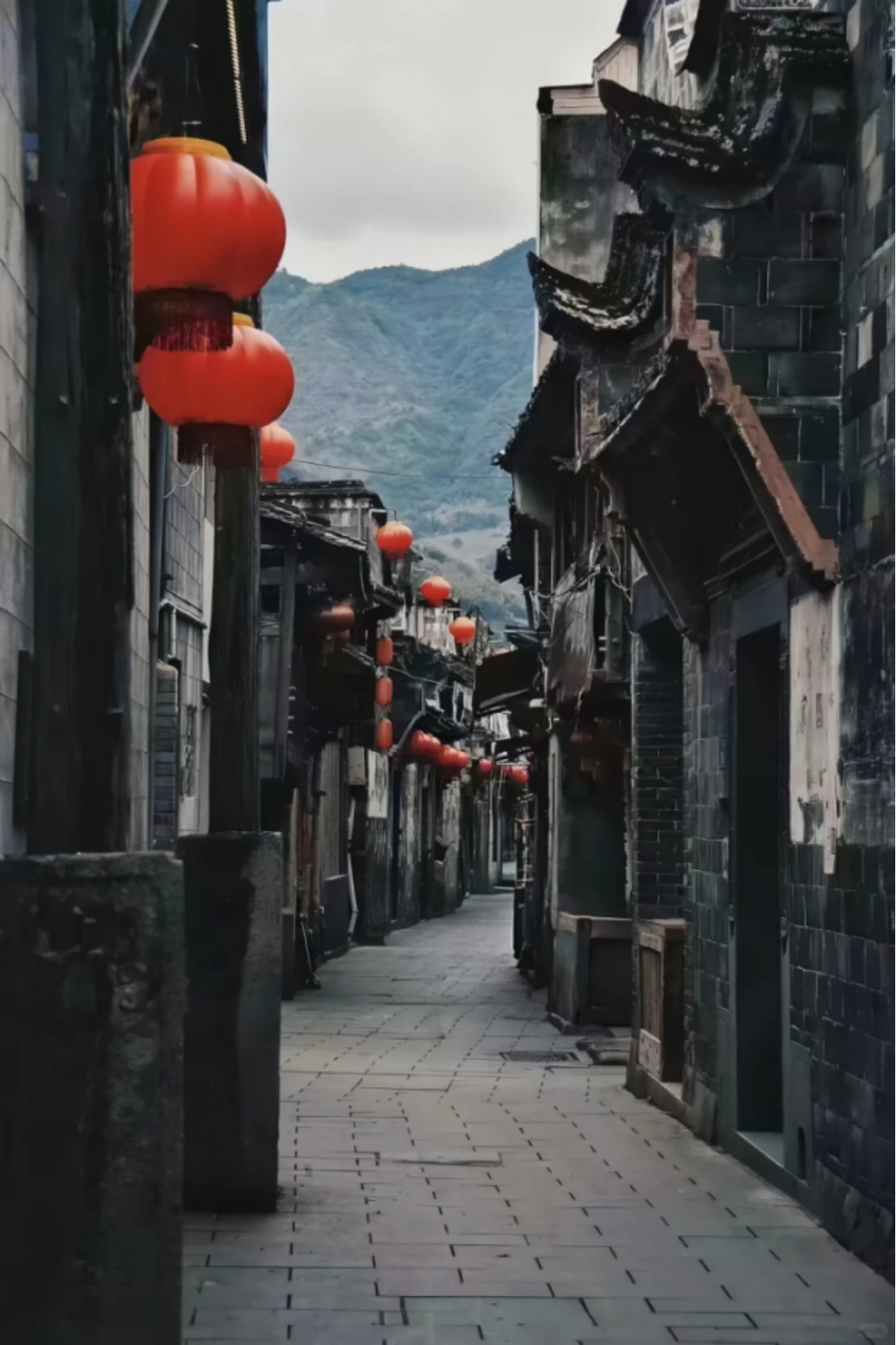
(1) Ancient Streets Built in Ming and Qing Dynasties
Constructed in 1534 during the Ming Dynasty, the Ming and Qing Ancient Street features rustic lanes and rows of ancient buildings. It preserves the strong market charm and profound humanistic heritage of eastern Fujian in the Ming and Qing dynasties.
(2) Huang Ju Hometown
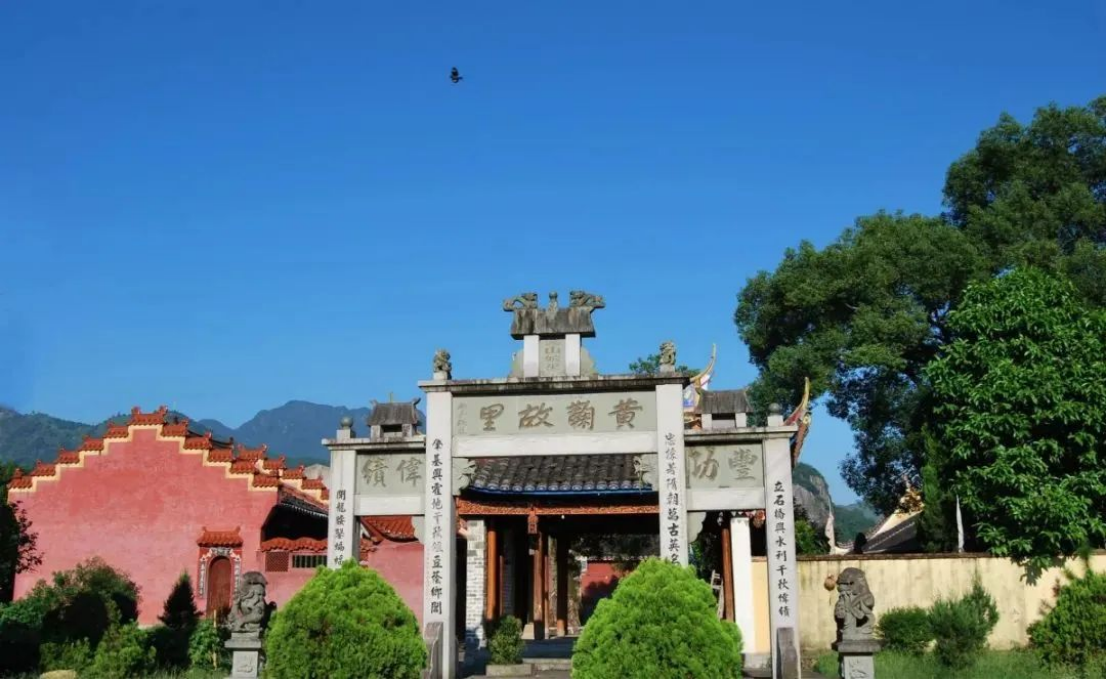
Located in Shiqiao Village, Huotong Town, the Hu Ju Hometown is the retreat of Huang Ju, a remonstrance official of the Sui Dynasty and a pioneer of tunnel water conservancy in the world. The village preserves ancient architectures including Longshou Hall first built in the 12th year of the Kaiyuan Period of the Tang Dynasty and the Qing-dynasty Former Residence of Huang Ju, as well as millennium-old water conservancy projects such as Longyao Canal and Pipa Cave. Wandering through the ancient village, visitors may explore the water conservancy wisdom spanning 1,400 years and experience the inheritance of harmony between humans and water.
(3) Helin Taoist Temple
Helin Taoist Temple lies at the foot of Datong Peak in Huotong Mountain. First built in the second year of the Datong reign of the Southern Dynasties Liang Dynasty (528 AD), it is one of the earliest historically documented Taoist buildings in Fujian. The palace was destroyed by floods in the 13th year of the Jiajing reign of the Ming Dynasty and reconstructed and restored in 1996. Its name derives from the legend of Master Huotong’s seclusion and the allusion to Sima Chengzhen cultivating immortality with cranes. As one of the Four Great Taoist Palaces, Helin Palace belongs to Huotong Grotto Heaven, the foremost among the Thirty-Six Taoist Grotto Heavens, ranking above the Five Great Mountains. It is the birthplace of Taoism in southeast China and was officially conferred the title of "Huotong Grotto Heaven" in the sixth year of the Tianbao reign of the Tang Dynasty.