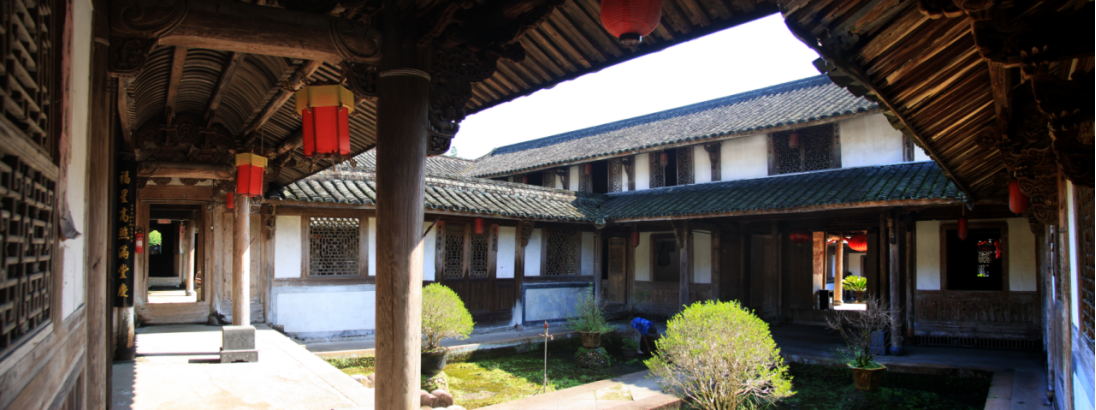
Ancient Architecture Landscape (Taimushan)
编辑: 小编 时间:2026-05-12 11:06:43 浏览次数:
Key Ancient Architectures in Taimushan
(1) Guoxing Temple: built in the 4th year during the reign of Li Xuan in the Tang Dynasty (877) and ruined in the Song Dynasty. So far, 360 large-scale stone pillars built in the Tang Dynasty are still well-preserved in Guoxing Temple, covering an area of 2,500 square meters, with three directions and one direction surrounded by waters and mountains respectively. There are seven stone pillars on lotus-shaped bases. There are stone carvings embellished with flowers, grass, mythical creatures, etc. of the Tang and Song Dynasties besides the passage of center shaft. There are also Lengjia Tower and Stone Pool. In January 1989, it was announced among the first batch of county culture relic protection sites.
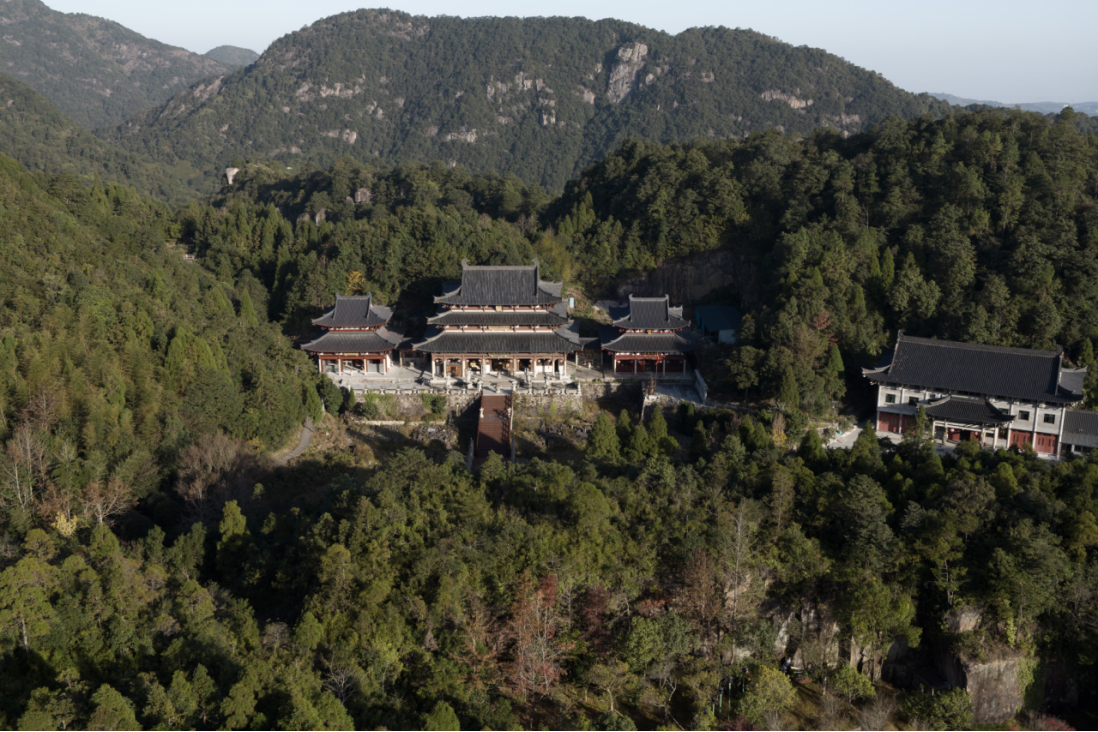
(2) Baiyun Temple: Huiming Pagoda of Baiyun Temple was built in the 15th year of the Yongle reign of the Ming Dynasty, where the eminent monk Huiming was buried. On the top of Moxiao Peak behind Baiyun Temple lies a stone chamber known as Mani Palace. Manichaeism was founded by the Persian Mani and introduced into China during the Tang and Song dynasties. This site is highly likely to be a Manichaean relic.
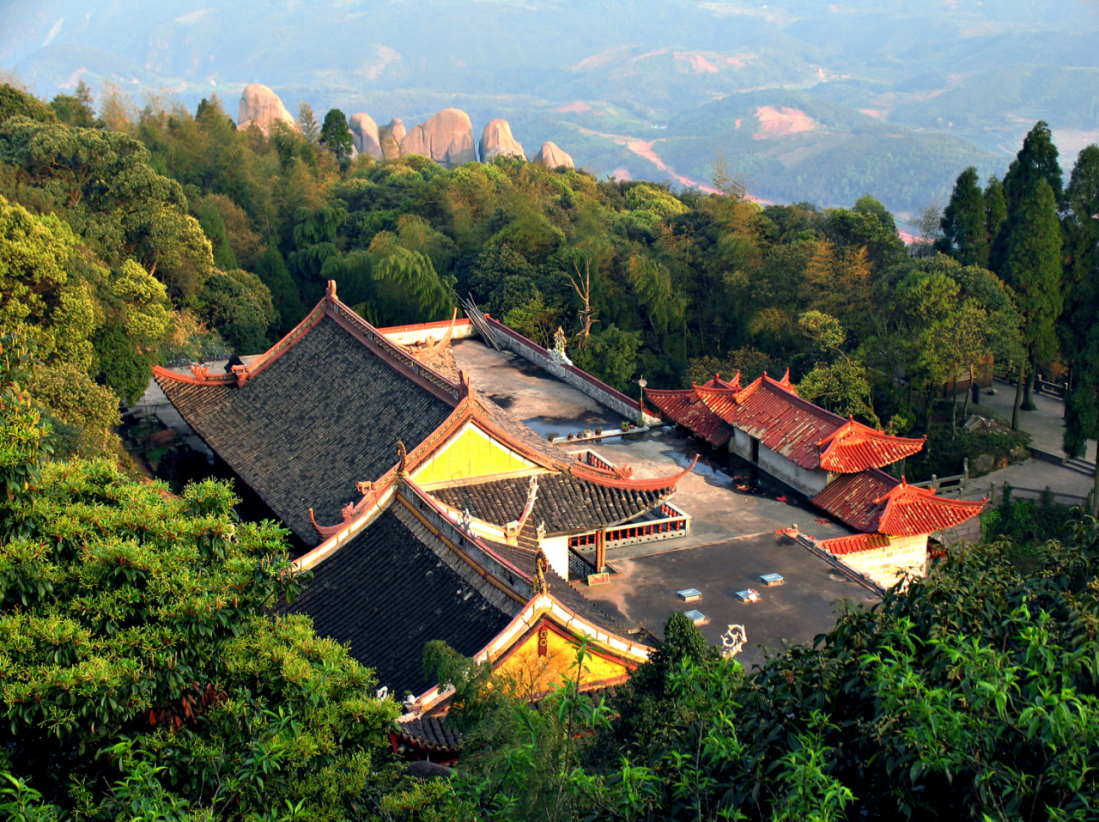
(3) Ruiyun Temple: Widely known as "the No.1 Temple of Taimushan", it was founded in the first year of the Tianfu reign of Shi Jingtang in the Later Jin Dynasty (936 AD). The Mahavira Hall, Qianqiu Hall and Bodhi Pavilion are well-preserved to this day, forming a complete ancient Buddhist temple complex.
(4) Linfeng Temple: Located in Lengcheng Village on the eastern foot of Taimushan in Fuding City, the temple was first built in the 9th year of the Xiantong reign of the Tang Dynasty (868 AD). It preserves well-intact stone inscriptions from the Tang, Song, Yuan, Ming and Qing dynasties. Among them, the Tang-dynasty pagoda base, as well as the Song-dynasty stone chisels, stone furnaces and stele records, are rare and precious cultural relics.
(5) Lengcheng Ancient Fortress:Located in Lengcheng Village, Qinyu Town, the castle was constructed by local residents during the Jiajing reign of the Ming Dynasty to defend against Japanese pirate invasions.The castle has a perimeter of 1,127 meters, a height of 5.6 meters and a wall thickness of 4.6 meters, with three gates in the east, west and south, and remains well-preserved today.A west-east street runs through the castle, lined with elegantly ancient dwellings and crisscross alleys.Inside the castle lie numerous historical relics, including the Song-dynasty Stone House of Sizhou Buddha, Sanguan Hall, Houxian Palace and Shi Ji Memorial Temple.
(6) Cuijiao Ancient Dwelling: it was built by a Wu family engaged in tea business in the 10th year during the reign of Qianlong. Covering an area of 5,000 square kilometers, it has a grand scale and its ingenious layout makes it the best-preserved ancient dwelling with largest single building area in regions south of the Yangtze River, thus deserving the title of dwelling masterpiece in regions south of the Yangtze River. As a three-yard quadrangle dwelling, it contains 6 lobbies, 12 small halls, 24 courtyards, 192 rooms and 360 wooden posts.