



Ancient Relic Landscape
编辑: 小编 时间:2026-04-25 20:32:51 浏览次数:
Ningde boasts a long history and abundant humanistic landscape resources. It is widely scattered with relics of human activities, ancient sites, historic buildings, cliff inscriptions, stone stele carvings, ancient tombs and celebrity remains. In addition, there exists a wealth of literary heritage and records of local customs and folk culture.
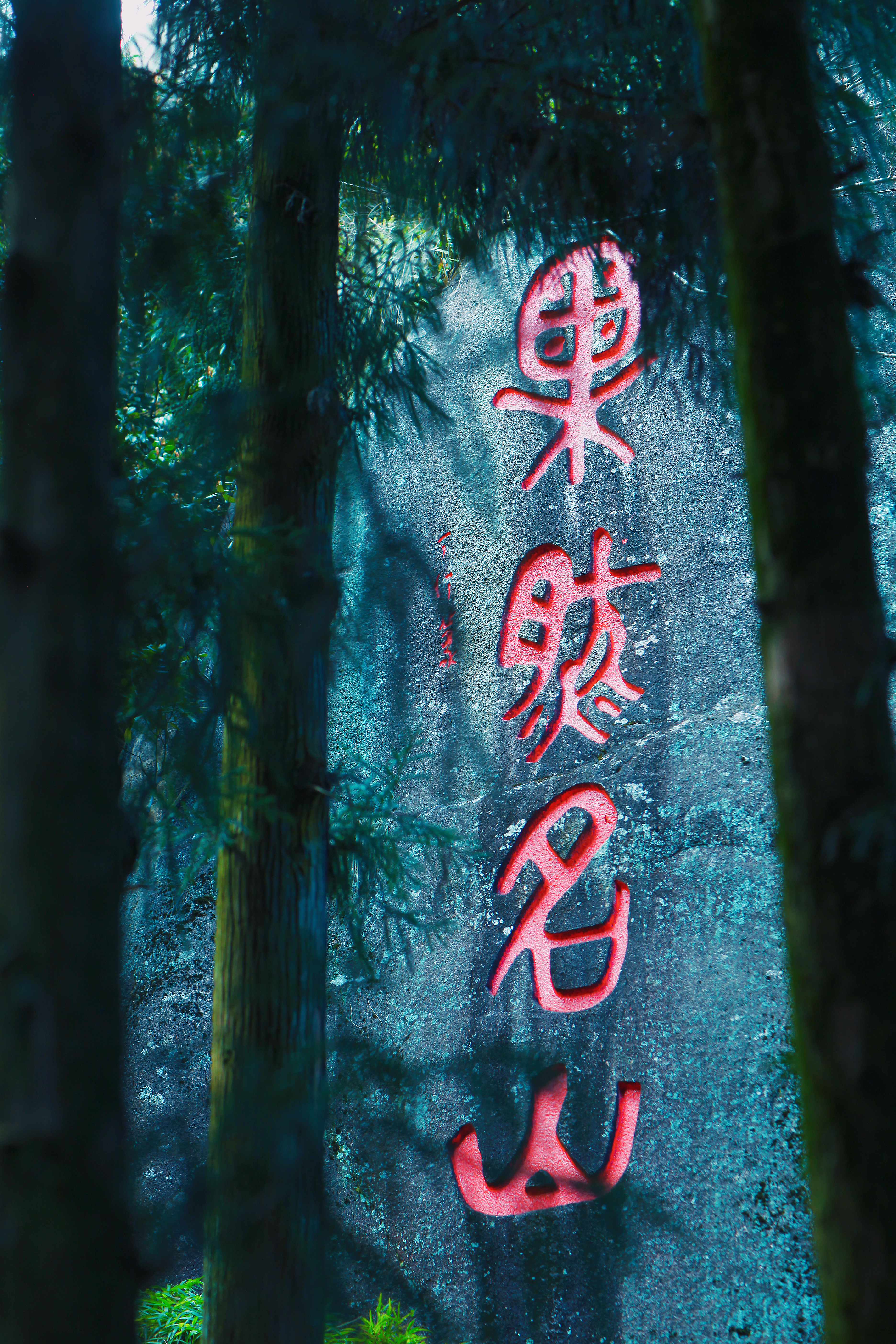
1.Cliff Inscriptions
The Inscription on Rebuilding the Holy Temple and Constructing the Stone Archway at Pingnan Confucian Temple in Baishuiyang features profound calligraphy skills with powerful and vigorous brushwork.
Taimushan enjoys a long history and preserves dozens of inscriptions dating back to the Tang, Song, Ming and Qing dynasties. Many distinguished figures once left their traces here, including Zhu Xi, a Neo-Confucian scholar of the Southern Song Dynasty; Zheng Qiao, a renowned historian; Lin Song, a prefectural governor of the Tang Dynasty; Xue Lingzhi, Grand Tutor of the Crown Prince; Yu Dayou and Li Pengju, famous generals resisting Japanese pirates in the Ming Dynasty; Cheng Bojian; Zhang Chaofa, Zhenhai General who sacrificed his life in the First Opium War; and Sa Zhenbing, Admiral of the Navy in the early Republic of China.
2.Ancient Sites and Relics
The major ancient sites and relics in Baishuiyang are as follows:
(1) Tomb of Mr. Lu, Judicial Officer of the Dali Temple of the Later Zhou Dynasty: Located on the hillside to the left of Beiyan Temple, the tomb was built in the first year of the Taipingxingguo reign of the Song Dynasty (976 AD) and renovated by the Lu clan in the 37th year of the Republic of China.
(2) Former Garrison Office of the 6th New Fourth Army Regiment for the Northern Anti-Japanese March: Situated on the outskirts of Shuangxi Town, this site witnessed Ye Fei and other leaders of the Eastern Fujian Soviet Area leading 1,300 soldiers northward to resist Japanese aggression. A memorial tablet has been erected here amid pleasant scenery. The Lu Clan Ancestral Hall in Shuangxi Town once served as the regiment headquarters of General Ye Fei.
(3) Yanhou Village: It housed the Central County Committee of Zhenghe and Pingnan during the Domestic Revolutionary War (1932–1939) and ranks among the important revolutionary base areas.
The major ancient sites and relics in Taimushan are as follows:
(1) Taimu Stupa: Located at the entrance of Hongxue Cave, Yipianwa on Mount Taimu. First built in the Tang Dynasty, the front of the stupa is engraved with the inscription “Stupa for the Sacred Relics of Goddess Taimu Enfeoffed by Emperor Yao”, bestowed and inscribed by Emperor Xuanzong of the Tang Dynasty.
(2) Qinyu Town: Nestled at the foot of Mount Taimu, Qinyu Town was one of the ancient battlefields against Japanese pirates in the Ming Dynasty. Lengcheng Village at the mountain foot was where Zheng Qiao delivered lectures, and also the hometown of Yang Ji, a Jinshi of the Song Dynasty and Judicial Commissioner of Hunan.